
Key takeaways
- Lock destination voltage and plug type before sampling.
- Map electrical and water marks to the RFQ—not after packing week.
- Ask for spare-parts guidance for seats, lids, and modules.
- Only mix-load with vanities after both packing plans fit one container.
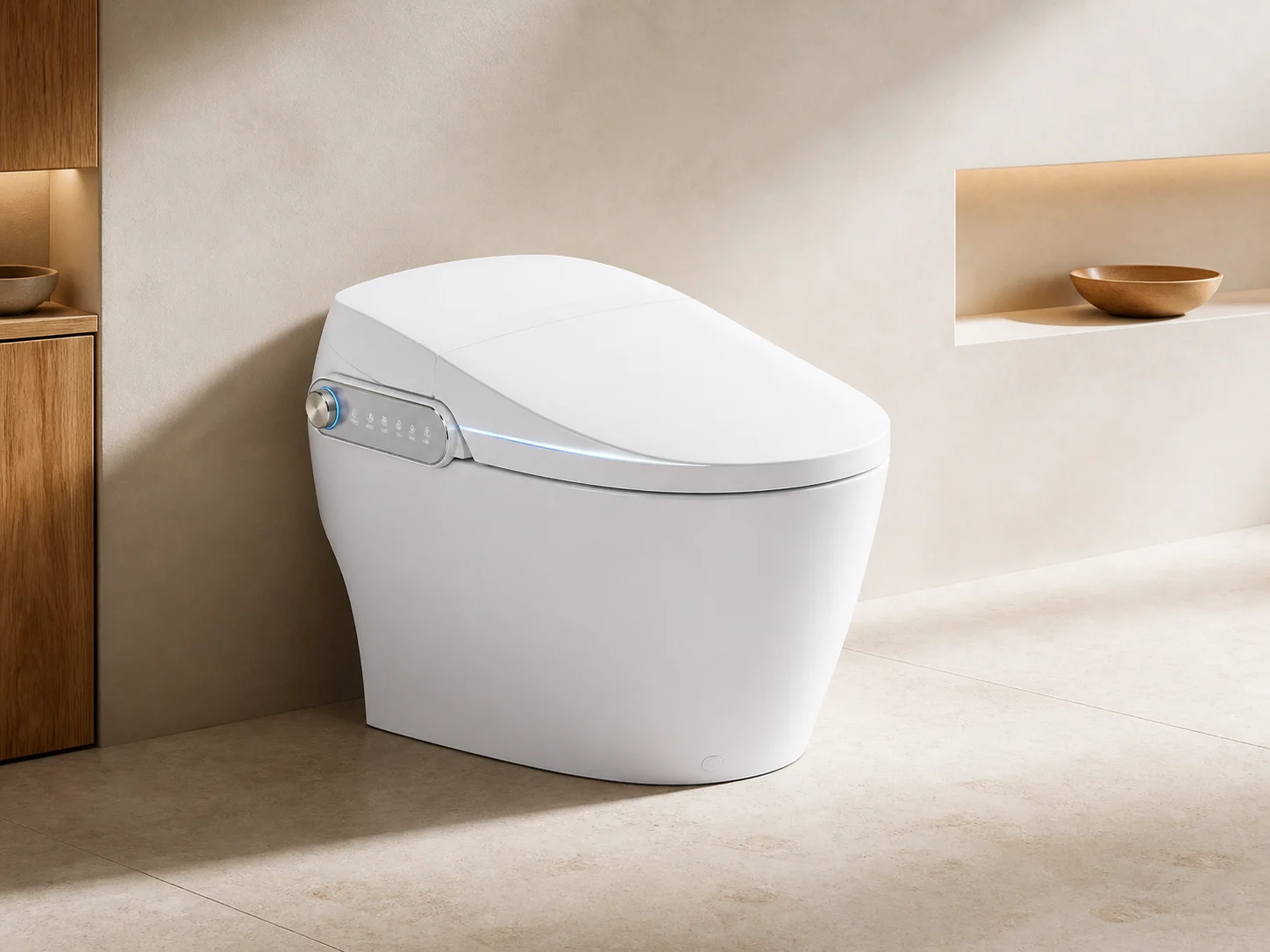
Smart toilets sell well in premium channels, but import programs fail when voltage, certifications, or spare parts are treated as afterthoughts. Use this checklist before you freeze SKUs for North America.
Electrical and water supply first
Confirm destination voltage, plug type, and GFCI expectations with your installer base. Document water pressure ranges and whether soft-close seats or remote modules need separate packing. Do not leave these fields blank on the sample request.
Certification mapping on the RFQ
List the marks your channel requires (for example ceramic, electrical, or water-efficiency discussions). Ask the factory which documents already exist for the SKU family and which need a project-specific path. Keep CAD, packing lists, and certificate PDFs aligned to the same SKU codes.
Service parts and warranty response
Distributors need a spare-parts story before the first container lands. Request guidance for lids, seats, remote controls, and electronic modules. Clarify lead times for replacement parts so your warehouse can stock a small buffer.
Container planning with vanity lines
Smart toilets often ship with different carton density than ceramic-only SKUs. Pair them with vanity programs only after both packing plans fit the same 20GP or 40HQ. Put mixed-container assumptions on the quotation.
See BJ-ST-220 and BJ-ST-318, or request a smart toilet quotation.